

By Prosper Mene
For the first time in Nigeria’s history, women are simultaneously at the helm of the country’s four most influential legal institutions — a landmark moment for gender representation in law and governance.
This unprecedented shift shows a new chapter for the Nigerian legal system, as female leaders now steer the Bar, the Bench, and legal education.
The Four Women Leading The Charge
1. Oyinkansola Badejo-Okusanya — NBA President

Barrister Oyinkansola Badejo-Okusanya has just been sworn in as the 2nd female President of the Nigerian Bar Association, NBA, in the association’s 65-year history. She takes over the leadership of over 200,000 lawyers nationwide and will shape policy, welfare, and the voice of the Bar for the next two years.
2. Hon. Justice Kudirat Kekere-Ekun — Chief Justice of Nigeria
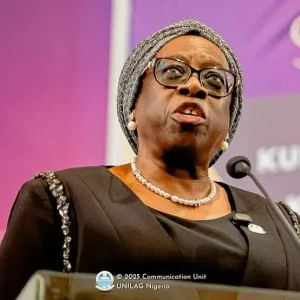
At the pinnacle of the judiciary, Hon. Justice Kudirat Kekere-Ekun serves as the Chief Justice of Nigeria and Chairman of the National Judicial Council. As CJN, she oversees the administration of all courts in the country and is the head of Nigeria’s entire judicial arm.
3. Hon. Justice Monica Dongban-Mensem — President, Court of Appeal.
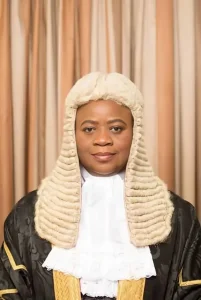
Presiding over one of the busiest appellate courts in Africa, Hon. Justice Monica Dongban-Mensem leads the Court of Appeal. Her court handles election petitions, constitutional matters, and appeals from all 36 states and the FCT.
4. Dr. Olugbemisola Odusote — DG, Nigerian Law School
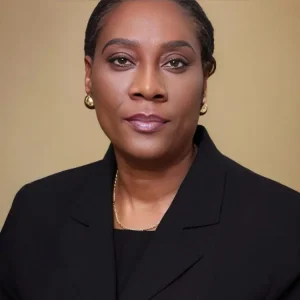
Breaking a decades-old glass ceiling, Dr. Olugbemisola Odusote has become the first woman to serve as Director-General of the Nigerian Law School. She now oversees the training and call to Bar of every new lawyer in Nigeria.
A New Era For The Legal Profession
Legal experts say this “quartet of leadership” reflects years of advocacy for inclusion and merit in the profession. From producing new lawyers, to defending them at the Bar, to judging cases at the highest courts, women now occupy every major decision-making seat.
Senior lawyers and rights groups have hailed the development as proof that competence, not gender, is now driving appointments at the top.
As these four women take charge, all eyes will be on how their leadership shapes access to justice, judicial reform, and the next generation of Nigerian lawyers.


