

By Prosper Mene
The singer-songwriter, actress, entrepreneur, and philanthropist passed away on August 25, 2026. In a career spanning more than six decades, she sold over 100 million records worldwide, wrote more than 3,000 songs, earned multiple Grammy Awards (including a Lifetime Achievement honor), and became one of the most beloved and recognizable figures in American entertainment.
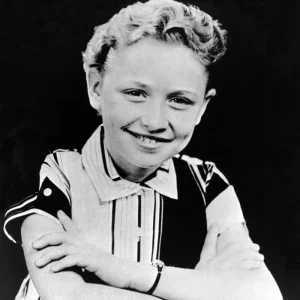
Born Dolly Rebecca Parton on January 19, 1946, in a one-room cabin in Locust Ridge (near Pittman Center) in Sevier County, Tennessee, she was the fourth of 12 children of sharecropper and farmer Robert Lee Parton and Avie Lee Owens Parton. The family lived in deep poverty in the Great Smoky Mountains of Appalachia, where music, gospel, folk ballads, and homemade instruments—was woven into daily life. Her mother sang the old songs; an uncle gave her a guitar as a child. Parton began performing early, appearing on local Knoxville radio and television by age 10 and making her Grand Ole Opry debut at 13 in 1959, introduced by Johnny Cash.
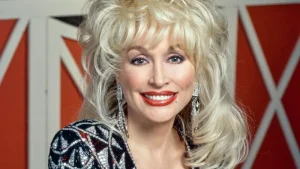
The day after graduating from Sevier County High School in 1964, she moved to Nashville to chase a music career. On her first day there she met Carl Dean; they married in 1966 and remained together until his death in March 2025. Parton’s early recordings included the single “Puppy Love.” Her breakthrough came in 1967 when she joined The Porter Wagoner Show, becoming his duet partner and gaining national exposure. That same year she released her debut album, Hello, I’m Dolly. Hits with Wagoner followed, but she soon established herself as a solo force.
Her first solo No. 1 country hit was “Joshua” in 1971. The early 1970s brought signature songs that defined her artistry: the autobiographical “Coat of Many Colors,” drawing on childhood poverty and her mother’s love; the haunting plea “Jolene”; and “I Will Always Love You,” written as a farewell to Wagoner when she left his show in 1974 to pursue a solo path. (Whitney Houston’s later version turned the song into a global phenomenon.) Parton famously wrote “Jolene” and “I Will Always Love You” on the same day.
She crossed over into pop without abandoning her country roots. “Here You Come Again” (1977) brought a Grammy and broader audiences. In 1980, “9 to 5”—the theme to the hit comedy film in which she starred alongside Jane Fonda and Lily Tomlin—topped both country and pop charts and became an anthem of workplace resilience. Other film roles included The Best Little Whorehouse in Texas and Steel Magnolias. Duets such as “Islands in the Stream” with Kenny Rogers further expanded her reach. She released dozens of albums, scored 25 No. 1 country singles (a record for a female artist), and later returned to bluegrass roots with projects like The Grass Is Blue.
Beyond music, Parton built a business empire with characteristic savvy and humor. She opened the Dollywood theme park in 1986 in her home region, creating jobs and drawing millions of visitors. The Dollywood Foundation’s Imagination Library has distributed free books monthly to preschool children, beginning in Sevier County and expanding internationally. She received the National Medal of Arts, Kennedy Center Honors, induction into the Country Music Hall of Fame (1999) and Rock & Roll Hall of Fame (2022), and numerous other accolades. In later years she continued creating, including the 2023 album Rockstar and plans for a Broadway musical and a major Nashville museum chronicling her life.b70090
Biography
Parton often described herself first as a songwriter. Her lyrics blended sharp observation, emotional honesty, and Appalachian storytelling—whether chronicling poverty, romantic longing, or everyday struggles. She maintained a distinctive public image of big hair, sequins, and self-deprecating wit while remaining deeply private about her marriage and personal life. Fans and fellow artists admired her work ethic, generosity, and ability to connect across cultural and political lines.
In her final months, after her husband’s death, Parton spoke openly about health challenges she had set aside while caring for him. She canceled a planned Las Vegas residency, made limited public appearances (including a surprise visit to one of her travel stops in June 2026), and explored new technological possibilities such as avatar performances so her music could continue reaching audiences. She insisted she was still working and healing.
Dolly Parton’s songs—rooted in the mountains of East Tennessee yet universal in their feeling—will continue to be sung for generations. From a cabin with no running water to stages around the world, she turned personal experience into shared emotion and left a legacy of music, enterprise, and kindness that touched millions.


