
By Prosper Mene
“Men are not wired to show emotions,” a male friend once told a female in the middle of an argument. In his view, men were made to be strong, to endure pain and to keep their feelings private. She disagreed, and the conversation fizzled out. But the idea behind it has stuck with her, because it is a common one: “Boys don’t cry.” “Be a man.” “Man up.”

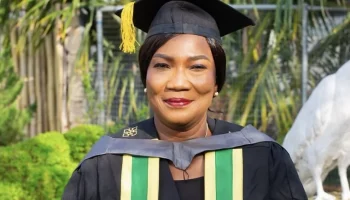
Adeyanju, who works in corporate communications at the Chartered Institute of Personnel Management of Nigeria (CIPM), argues that these phrases leave many men unable to talk about what they are going through. She points to the questions men are routinely asked in Nigeria: how work is going, when they will marry, whether they have bought land, and the dreaded “So, what are you doing now?” These concern achievements, responsibilities and plans. Rarely, she notes, does anyone ask about their fears.
She sketches the men behind the questions: a father who leaves home before sunrise, weighed down by school fees, rent and family expectations; a graduate who has sent countless job applications and still smiles politely when a relative asks why he has no job; a professional with an impressive LinkedIn profile and a personal life no one has thought to ask about. Society admires their strength and celebrates their sacrifices, she says, yet the person everyone leans on also needs somewhere to lean.
Adeyanju also questions the checklist used to measure a man’s success: a good job, a house, a car, a wife, children and financial stability, ideally all before a certain age. A man’s worth, she argues, cannot be reduced to his bank balance or job title, and there should be room for men who are “still becoming.”
This year’s International Men’s Day, marked on November 19, carries the theme “The Future Is Everyone.” Adeyanju reads it as a call to look beyond titles and labels and to see people as humans first, without assuming we know what they need. Letting men share their struggles, she stresses, takes nothing away from other genders. Compassion is not a competition, and expectations that confine both men and women can be challenged together. If some people must hide parts of themselves to fit in, she asks, what kind of future can belong to everyone?
Her message for the day is twofold: celebrate the men who support their families, mentor young people and quietly improve their communities, and remember the weary ones who have not achieved all they hoped for, who fear letting their families down, and who need help but have been taught that asking for it makes them less of a man. Her advice is simple: reach out to your brother, check in on your father, and contact the friend who always seems to have it all figured out.
Adeyanju says she still disagrees with her friend. Men are human beings, not machines built to absorb disappointment without showing vulnerability, and a future for everyone must include men who are allowed to be uncertain, imperfect and human. Generations of men have been taught to stand strong, she concludes; it is time to remind them they do not always have to stand alone.